

Can You Install a New Garage Door on Existing Tracks?
Today we investigate the topic of "Can You Install a New Garage Door on Existing Tracks?" When replacing your garage door, you may wonder whether the existing tracks can stay in place. Reusing them might seem like an easy way to reduce installation time and cost. However, garage door tracks are designed to work with specific doors, rollers, hardware, and weight requirements.
At Alliance Overhead Door, We recommend evaluating the complete system before deciding which components can remain.
Are Garage Door Tracks Universal?
Garage door tracks are not universal. Manufacturers design tracks with specific dimensions, spacing, and configurations to match particular garage door systems.
For this reason, installing a new door on incompatible tracks can affect alignment and operation. If you are considering Garage Door Installation in Ventura CA, the existing tracks should be carefully inspected before installation begins.
When Can Existing Garage Door Tracks Be Reused?
In some situations, your existing tracks may be compatible with the replacement door. They should be properly sized, securely mounted, correctly aligned, and free from significant damage.
However, compatibility depends on more than appearance. The new door's weight, rollers, hardware, and track configuration must work together correctly. Therefore, a professional inspection is important before deciding to reuse older components.
Why Are Proper Tracks Important?
Your garage door travels along its tracks every time it opens or closes. Bent, loose, damaged, or improperly aligned tracks can cause noisy movement and uneven operation.
If your current system has operational problems, Garage Door Repair in Simi Valley CA may identify track issues before you replace the entire door. Addressing those problems can help you understand whether repair or complete replacement makes more sense.
Is Replacing the Tracks a Better Option?
Installing new tracks with your new garage door can help ensure that all components are designed to work together. Moreover, new tracks eliminate concerns about hidden wear, previous damage, or compatibility with older hardware.
Although reusing tracks may initially appear more affordable, it should never compromise proper operation. Your installer can determine whether the existing system meets the specifications required for your new door.
What Happens During a New Garage Door Installation?
First, the existing door and necessary hardware are removed. Next, the opening and supporting structure are inspected before the new tracks, panels, rollers, springs, and hardware are installed.
The system is then aligned, balanced, and tested. Homeowners considering Garage Door Installation in Oxnard should expect these same important steps during a professional installation.
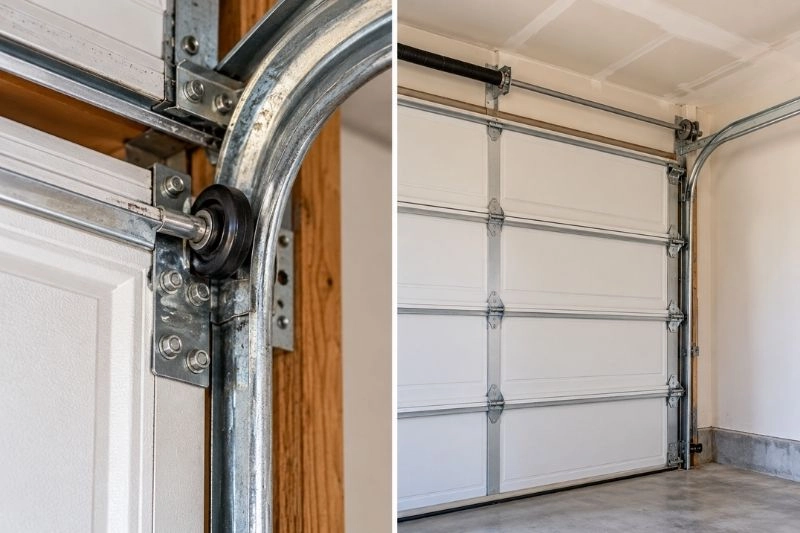
Make Sure Your New Door Has the Right Tracks
Ultimately, whether you can reuse existing tracks depends on their condition and compatibility with your new garage door. Simply looking undamaged does not mean they are suitable for another system.
At Alliance Overhead Door, We inspect the complete setup before installation. This helps ensure your new garage door operates smoothly, safely, and reliably with properly matched components. We hope you found this article on "Can You Install a New Garage Door on Existing Tracks?" Helpful.



Recent Comments